
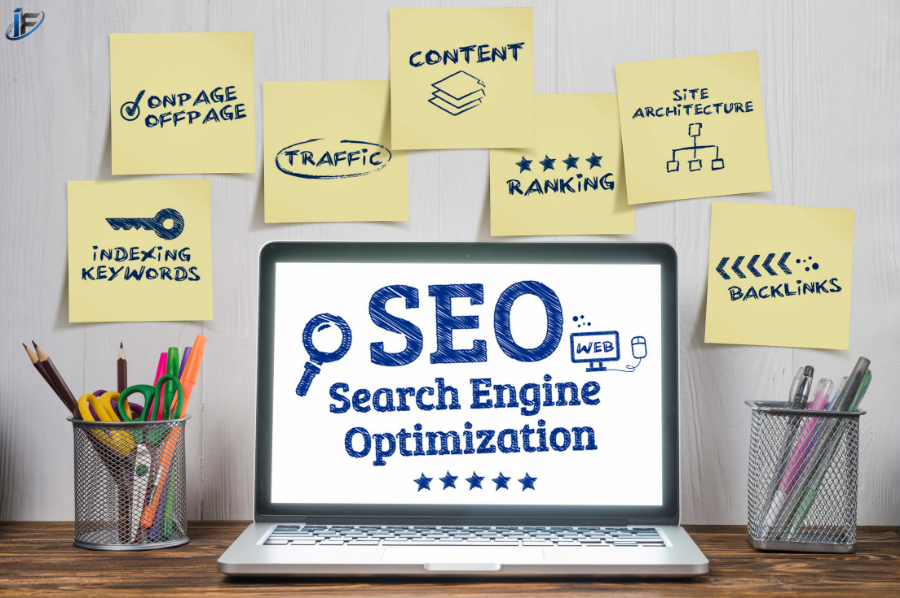
When businesses invest in search engine optimization, one of the first questions they ask is, How Long Does SEO Take to Show Results? The short answer is that many websites begin seeing measurable improvements within 3 to 6 months, while stronger and more competitive SEO results can take 6 to 12 months or longer.
SEO is not an instant marketing technique. Search engines need time to crawl websites, understand updated content, evaluate backlinks, compare competitors, and determine whether a page deserves higher search engine rankings.
The exact SEO results timeline depends on website age, competition, technical condition, content quality, backlink profile, target keywords, and the strength of your overall SEO strategy.
At Imperial Fab Trading, SEO is approached as a long-term growth strategy rather than a quick ranking trick. The goal is not only to increase rankings but also to create sustainable organic traffic, better visibility, and more opportunities to generate customers.
How Long Does SEO Take to Show Results for Most Websites?
For most businesses, SEO results in 3 to 6 months are a reasonable expectation for early improvements. However, this does not necessarily mean a website will immediately reach the first position on Google.
During the first few months, SEO progress may appear in several forms. Search impressions may increase, previously unranked pages may start appearing in organic search results, keyword rankings may improve, and organic clicks may gradually rise.
A typical SEO growth timeline may look something like this:
Month 1: Website analysis, competitor research, keyword research, technical corrections, and SEO audit activities usually begin.
Months 2–3: Search engines begin processing website optimization changes. Search impressions, indexing, and keyword visibility may improve.
Months 3–6: Stronger Google ranking improvements and organic traffic growth may become noticeable.
Months 6–12: Websites with consistent SEO efforts can potentially build stronger website authority, organic visibility, and conversion growth.
These periods are guidelines rather than guarantees. Understanding how long SEO takes requires examining the condition of each website individually.
Why Does SEO Take Time to Produce Results?
People often wonder why SEO takes time when paid advertising can generate website traffic almost immediately.
The difference is that SEO depends on earning search engine visibility rather than buying advertising placement.
Google and other search engines continuously analyze websites using complex search engine algorithms. They evaluate whether content satisfies search intent, whether the website is technically accessible, whether other trustworthy websites link to it, and whether visitors receive a useful experience.
Search engines may also need time to discover changes through crawling and Google indexing.
For example, publishing one optimized article today does not automatically guarantee first-page rankings tomorrow. Google must first discover the page, understand its topic, compare it with competing content, and determine where it belongs within the SERP rankings.
That is why SEO success normally comes from continuous improvement rather than one-time optimization.
Factors Affecting How Long Does SEO Take to Show Results?
Several factors determine SEO ranking time. Understanding these factors helps businesses develop realistic SEO expectations.
Website Age and Authority
A new website and an established website often have very different SEO timelines.
A new website may have limited domain authority, few backlinks, and little historical performance data. Therefore, a new website SEO timeline can be longer.
An established website may already possess useful content, quality backlinks, indexed pages, and website authority. An established website SEO campaign can sometimes produce noticeable changes more quickly, particularly when technical or content problems are corrected.
Website age alone does not guarantee rankings, but existing authority can influence how quickly SEO works.
Keyword Difficulty and Competition
Keyword difficulty is another important factor.
Trying to rank for highly competitive keywords can require significant content optimization, link building, authority development, and patience.
For example, a small local company targeting low competition keywords may see progress faster than a new website trying to compete nationally for extremely competitive keywords.
Successful keyword research therefore involves finding target keywords that balance search volume, keyword competition, relevance, and user intent.
Instead of focusing only on high-volume terms, businesses can target specific queries where they have a realistic opportunity to achieve rankings.
Content Quality and Search Intent
Search engines want to provide useful answers.
High content quality means more than inserting keywords into a page. Content should directly address what users are searching for, answer important questions, demonstrate expertise, and make information easy to understand.
Search intent should guide the entire content strategy.
For example, someone searching “How Long Does SEO Take to Show Results?” wants a direct timeline and an explanation of the factors affecting that timeline. A page that spends hundreds of words discussing unrelated marketing topics may fail to satisfy that intent.
Content freshness also matters. Updating outdated pages with accurate, useful information can support SEO performance over time.
Technical SEO
Strong content can struggle to rank when a website has serious technical problems.
Technical SEO focuses on areas such as website crawlability, indexing, page structure, mobile optimization, site speed, broken links, duplicate pages, and other technical elements that influence how search engines access a website.
An SEO audit can uncover these problems.
Fixing technical issues creates a stronger foundation for future SEO improvements. Search engines can understand and access a properly optimized website more easily.
Backlinks and Website Authority
A backlink occurs when another website links to your website.
Search engines can use these links as signals when evaluating authority and relevance. However, backlink quality matters much more than simply collecting large numbers of links.
A healthy backlink profile should prioritize relevant, trustworthy, quality backlinks.
Strategic off-page SEO and ethical link building can gradually improve website authority. Because gaining legitimate backlinks takes time, authority-building is another reason SEO is generally considered a long-term strategy.
How Long Does SEO Take to Show Results With Local SEO?
The local SEO results timeline can sometimes be shorter than nationwide SEO because businesses compete within a specific service area instead of against every website in a country.
Local SEO includes optimizing a company’s Google Business Profile, building accurate business citations, targeting location-relevant searches, earning reviews, developing local pages, and improving local relevance.
Businesses may begin seeing local visibility changes within several weeks or months, although competitive markets can require longer.
Local SEO performance depends heavily on competition, relevance, proximity, website quality, and the strength of a company’s online presence.
How Can You Tell When SEO Starts Working?
SEO results should not be judged using rankings alone.
Businesses wondering when SEO starts working should monitor several performance indicators.
Google Search Console can show search impressions, organic clicks, average ranking positions, indexed pages, and the search queries generating visibility.
Google Analytics or another analytics platform can help measure website traffic, user engagement, leads, and conversion growth.
Monthly SEO progress can therefore include:
- Higher search impressions
- Improved keyword rankings
- More organic clicks
- Increased organic traffic
- Better search engine visibility
- More qualified enquiries
- Improved conversions
Sometimes impressions increase before clicks. Rankings may then improve before major traffic growth occurs.
These smaller changes can indicate that the SEO process is moving in the right direction.
Why SEO Rankings Sometimes Fluctuate
Ranking fluctuations are normal.
Google ranking positions can move as competitors publish new content, websites earn backlinks, search behaviour changes, and Google algorithm updates modify how results are evaluated.
A temporary decline does not always mean an SEO strategy has failed.
SEO performance should usually be evaluated over several months rather than based on daily ranking movements.
This is another reason businesses need consistent SEO efforts. Maintaining content, monitoring technical performance, completing competitor analysis, and adapting strategies can protect long-term organic visibility.
Can You Speed Up SEO Results?
There is no legitimate shortcut that guarantees instant rankings. However, businesses can improve their chances of achieving results more efficiently.
The process starts with identifying the most important technical problems and opportunities.
Strong on-page SEO can improve page titles, headings, internal linking, topical relevance, content structure, and search intent alignment.
Technical SEO ensures search engines can properly crawl and index important pages.
Content creation expands topical coverage, while off-page SEO and quality backlinks can strengthen authority.
Competitor analysis can also reveal content gaps and keyword opportunities that established competitors have overlooked.
When these elements work together, businesses create a much stronger foundation for sustainable SEO campaign results.
How Long Does SEO Take to Show Results With Imperial Fab Trading?
At Imperial Fab Trading, the objective is to build SEO around measurable business growth rather than chasing rankings without a clear commercial purpose.
Every business has different competitors, customers, website conditions, and goals. That is why an effective SEO strategy should begin with understanding the company instead of using the same approach for every website.
Imperial Fab Trading can help businesses strengthen their digital presence through keyword research, competitor analysis, content optimization, on-page SEO, technical SEO, local SEO, and broader digital marketing strategies.
The benefits of working with Imperial Fab Trading include a stronger focus on:
- Relevant keywords connected to customer intent
- Sustainable organic traffic growth
- Improved search engine rankings
- Better website optimization
- Stronger digital visibility
- Data-driven SEO improvements
- Long-term lead generation
- Improved SEO return on investment
Rather than treating SEO as a one-time task, Imperial Fab Trading focuses on developing a long-term SEO strategy that can continue generating value as a website grows.
This combination of optimization, content, technical improvements, and performance tracking makes Imperial Fab Trading a strong choice for businesses looking for sustainable online growth.
SEO ROI: Why Waiting for Results Can Be Worth It
One of SEO’s biggest advantages is its long-term value.
Paid advertising generally requires continuous spending to maintain visibility. When an advertising campaign stops, much of that traffic can disappear immediately.
SEO works differently.
A well-ranked page can continue attracting visitors long after it has been published. This means successful SEO can gradually improve the SEO ROI and overall SEO return on investment.
For example, an educational article that reaches strong SERP rankings may continue generating organic visitors every month.
That does not mean rankings are permanent. Continued monitoring, content freshness, competitor analysis, and website maintenance are still required.
However, long-term organic visibility can become a valuable digital asset for a business.
How Long Does SEO Take to Show Results? Final Answer
So, How Long Does SEO Take to Show Results?
Most businesses should expect early measurable SEO progress within approximately 3 to 6 months, while achieving substantial results in competitive industries may require 6 to 12 months or longer.
The exact time to rank on Google depends on website age, website authority, keyword difficulty, content quality, technical SEO, backlink profile, competition, and the consistency of ongoing optimization.
Instead of expecting immediate first-page rankings, businesses should measure gradual improvements in organic search results, search impressions, keyword rankings, organic traffic, leads, and conversions.
SEO is a process of building relevance, authority, usability, and trust over time. Businesses that maintain consistent SEO efforts are generally in a stronger position to achieve sustainable search visibility than those looking for short-term ranking shortcuts.
For businesses that want to improve their SEO performance systematically, Imperial Fab Trading can provide a structured digital marketing approach focused on organic visibility, website growth, and long-term results.
Frequently Asked Questions (FAQ's)
Why does a mobile-friendly website matter for SEO?
A mobile-friendly website helps search engines access and understand a site’s mobile version while improving usability for smartphone users. Because Google uses mobile-first indexing, strong mobile performance, responsive design, readable content, and good page speed can support overall SEO performance and search visibility.
Can responsive web design increase conversions?
Yes. Responsive web design can improve conversions by making navigation, forms, buttons, and content easier to use on different screen sizes. A smoother mobile user experience removes friction and makes visitors more likely to call, submit a form, request a quote, or complete a purchase.
How can Imperial Fab Trading improve my mobile website?
Imperial Fab Trading can help improve responsive design, mobile optimization, SEO-friendly web design, page speed, navigation, website usability, lead-generation elements, and conversion-focused layouts. The goal is to create a website that performs well in search while giving mobile visitors a simple path toward becoming customers.